
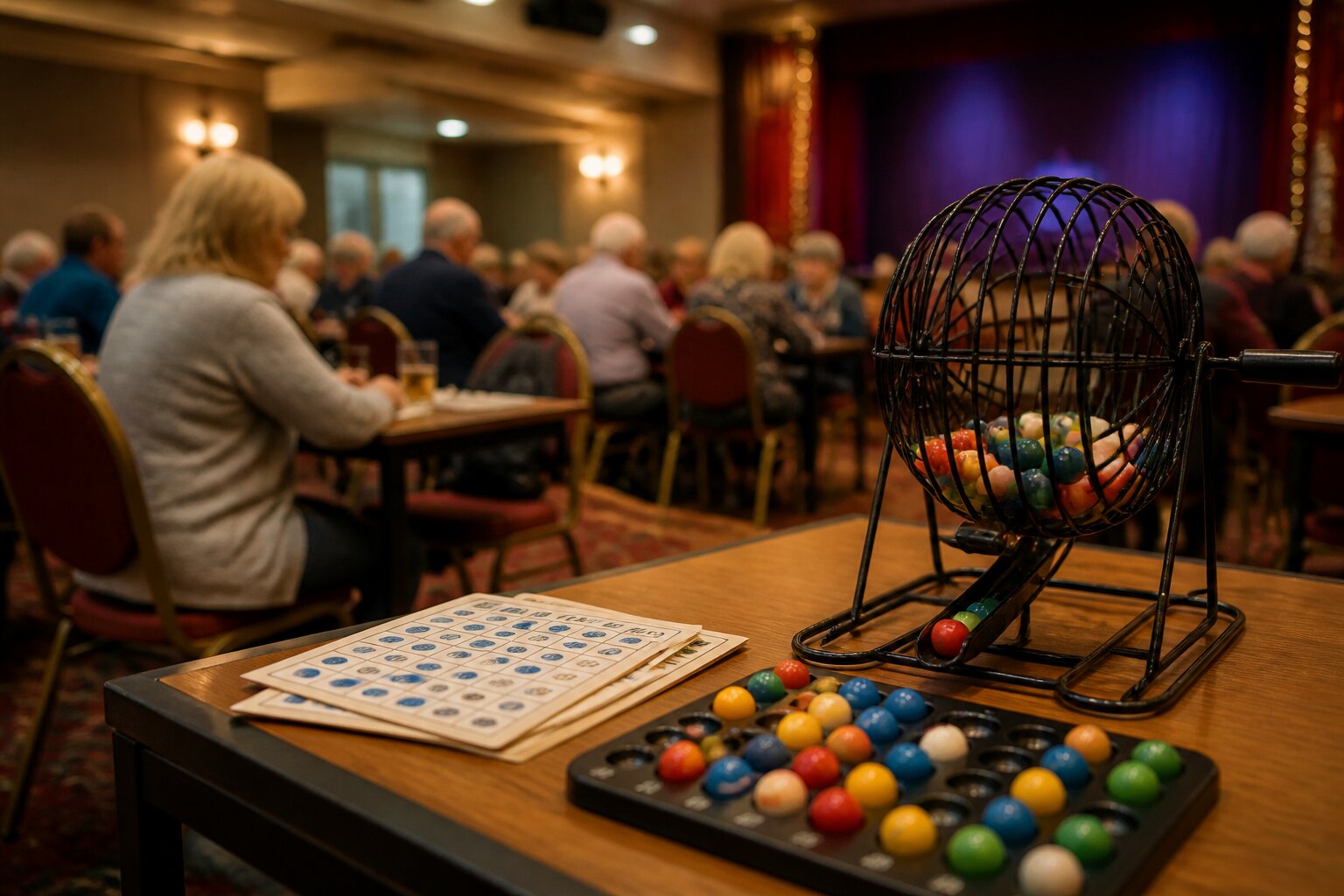
Ever wondered what makes a bingo tournament different from your usual game? Whether you’re a seasoned player or just dabbling for a bit of fun, bingo tournaments bring a fresh twist to this much-loved pastime.
They add a competitive edge, the chance of larger prizes and a stronger sense of community. If you’ve never tried one before, the format can seem a little daunting, so this guide walks through how tournaments work and gives a clear example so you know what to expect before you join in.
Curious to find out more? Read on and get ready for a new bingo experience.
What Is a Bingo Tournament?
A bingo tournament is an organised event where players compete across a series of games, aiming to accumulate points or improve their position on a leaderboard. Rather than playing one-off sessions, participants take part in multiple rounds where results combine to decide the overall winners.
Tournaments can vary in length and format. Some run for a single hour with several quick games, others stretch over a full day or weekend. Formats include 90-ball games, which award points for lines and full houses, and 75-ball events where specific patterns matter. Entry may be free for eligible players or require ticket purchases; the rules for entry and scoring are always stated up front.
The focus is on consistent performance across the event, so players who regularly claim wins or collect points rise through the rankings. This focus on cumulative scoring gives tournaments a different rhythm to standard sessions and leads naturally into how these events feel in practice.
How Do Bingo Tournaments Differ From Regular Bingo?
Tournaments share the same core mechanics as regular bingo, but the structure changes the way people play. While a standard session ends when a player completes the required pattern, a tournament links many such outcomes together so that each win contributes to a larger contest.
Prize distribution is another key difference. Rather than a single jackpot for the next winner, tournaments usually split a pooled amount between the highest-scoring players at the end. That pool is formed from entry fees, and sometimes supplemented by the organiser. This setup makes strategy and consistency more important: small, frequent wins can be more valuable than a single big prize.
There’s also a social and competitive layer: live leaderboards and chat functions make it easy to follow progress and interact with other players. With the format clarified, the next section explains how to enter a tournament so you can pick the right event for your budget and schedule.
Entering a Bingo Tournament
Getting started requires an account and age verification to ensure all participants are 18 or older. Once verified, upcoming tournaments are usually listed with clear details: entry fee, start time, ticket limits and the points system. Some tournaments let players buy tickets per game, others use bundles or offer qualifying entry for active players.
Before joining, it’s important to read the tournament rules so you understand buy-ins, maximum tickets, scoring and payout structure. Tickets are often inexpensive, but limits on how many you can buy per game are common to keep play fair.
Support tools are available to help manage spending and session length, such as deposit limits and reminders. With entry sorted, the next section looks at the core rules and formats you’ll encounter in most tournaments.
Key Rules and Structure of Bingo Tournaments
Every tournament sets out a clear framework so all players know what to expect. This includes scheduled start times, how many games are included, and the precise points system used to rank competitors. Transparency is essential: the full breakdown of prizes and how points are awarded should be published before play begins.
Game formats commonly used include 90-ball and 75-ball variants. In 90-ball events, the chance to win arises from lines and full houses; in 75-ball games, players chase particular patterns. Organisers may assign different point values to each type of win—for example, a single-line claim might score fewer points than a full house.
Ticket rules also vary. Some tournaments allow per-game purchases, others sell a set number of tickets for the entire event. Entry fees form the prize pool, and payouts are split according to the published structure, with details such as how many players receive prizes and the exact amounts clearly listed.
With the rules in place, it helps to see a concrete example to make the whole process feel familiar; the next section walks through a typical tournament from start to finish.
Step-by-Step Example of a Bingo Tournament
Imagine an evening 90-ball tournament running ten consecutive games between 7pm and 9pm. The entry fee is £1 per ticket, and players may buy up to five tickets per game. The event begins at the scheduled time and each game starts automatically in sequence.
Points are awarded for wins during each game: a single line might be worth three points, two lines five points and a full house ten points. As players claim these wins, their points are added to a live leaderboard that updates after every game. Watching the leaderboard change brings a steady sense of competition as positions shift with each result.
When the ten games finish, all points are totalled and the prize pool—collected from entry fees and any advertised contributions—is paid out according to the published breakdown. For instance, in a £500 pool the top finisher might receive £200, second place £100 and smaller sums or ticket bonuses distributed down the rankings. This example shows how scoring, timing and payouts link together to determine the final winners.
If you plan to play, account tools let you manage deposits and playtime so you remain in control while enjoying the event.
What to Expect When Playing Online Bingo Tournaments
Online tournaments take place in dedicated rooms designed for the event and usually include features that make play straightforward and sociable. Automated number marking removes the need to track every call manually, so attention can stay on the leaderboard and chat without worrying about missing a win.
Chat communities add social energy while moderation keeps conversations suitable for adults. Themed graphics or event frames sometimes accompany big tournaments, creating a recognisable atmosphere for players. Events are scheduled at various times, with notifications and countdowns helping players join on time.
Behind the scenes, organisers provide clear terms, accessible transaction histories and support channels so any questions about results or payouts can be resolved. With these practicalities and the earlier example in mind, you should feel well prepared to pick a tournament that suits your interests and budget.
Playing tournaments brings a different pace and purpose to bingo, rewarding steady performance across many games and offering a lively communal experience that many players enjoy.
Play Online Slots at Money Reels
At Money Reels, you’re invited to be part of our welcoming community of players who enjoy a quality gaming experience in a friendly environment. We believe in creating a relaxed space where everyone can simply enjoy themselves at their own pace.
Getting started is straightforward—just set up your account, make a deposit, and you’re ready to explore everything our site has to offer. We look forward to seeing you around!
**The information provided in this blog is intended for educational purposes and should not be construed as betting advice or a guarantee of success. Always gamble responsibly.