
Ever wondered if keno games at casinos or online are truly fair? You’re not alone — many players want to know whether the odds are stacked against them or the game really offers an even playing field.
With stories and rumours floating around, it can be hard to separate fact from fiction. You don’t need to be a maths whizz to understand how keno works; this article explains the systems behind both land-based and online versions, and what to look for when choosing a place to play.
Ready to find out how draws are made, how fairness is checked, and which signals mean a provider can be trusted? Let’s get started.
How Does Keno Work in Casinos and Online?
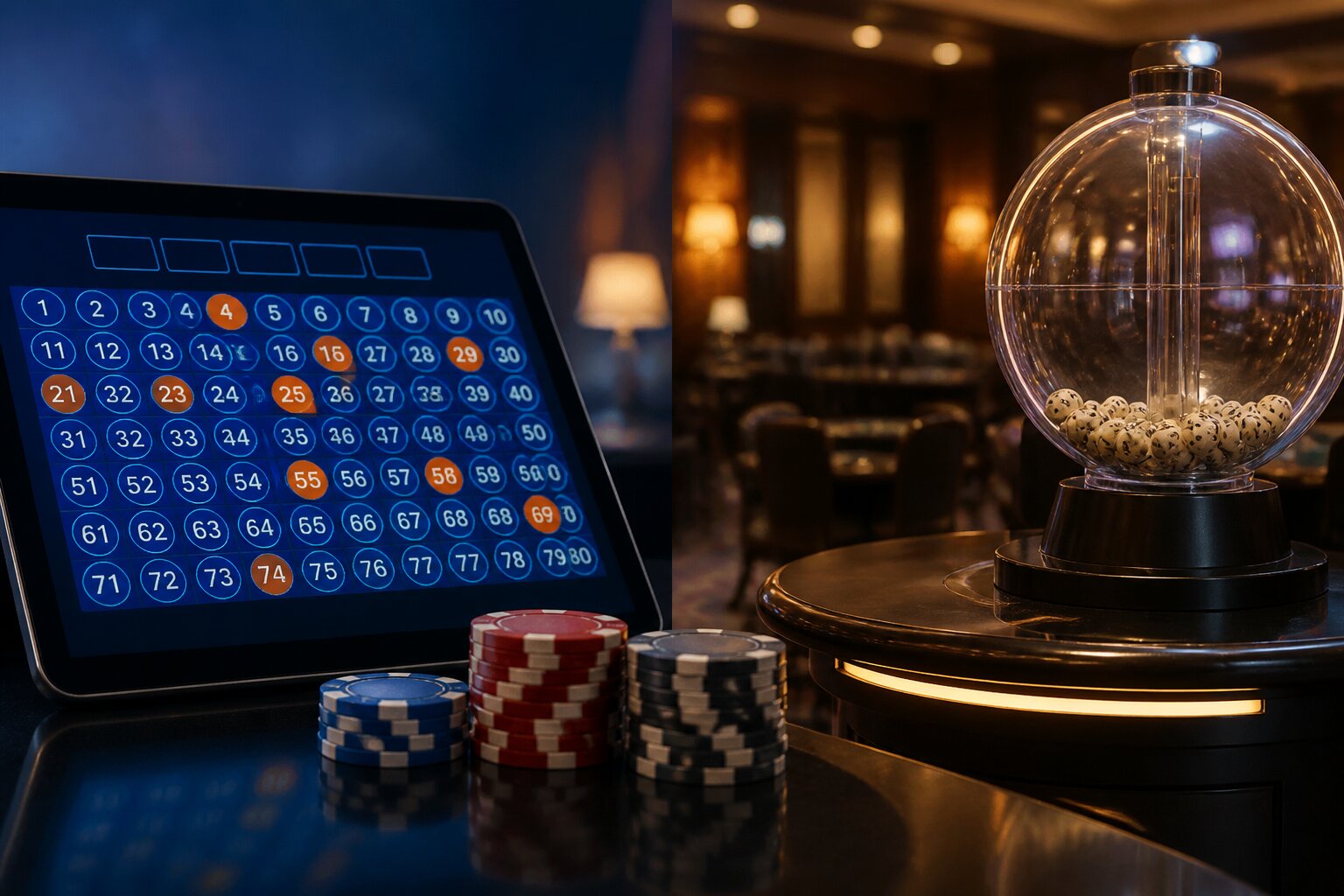
Keno is simple in concept: pick numbers from a set and see how many match the numbers drawn. In land-based casinos players typically fill in a card with numbers from 1 to 80, choosing a number of “spots” to play. A mechanical ball machine mixes numbered balls and 20 are drawn; prizes are based on how many of your chosen numbers match those drawn.
Online keno mirrors this structure but uses computer systems for the draw. You select numbers on-screen and a Random Number Generator (RNG) determines the results. The mechanics are designed so every draw follows the same statistical rules as a physical game, and payouts are set according to the game’s paytable rather than any external influence.
Because outcomes are determined by a defined random process, there is no skill that will change the mathematical chance of a particular result. Play should therefore be approached as entertainment rather than a way to seek guaranteed returns.
Are Online Keno Games Trustworthy?
Trustworthy online keno comes from transparent operators that publish clear information about game mechanics, certifications, and player protections. Reputable providers commission independent laboratories to test RNGs and publish the results or at least reference the testing bodies so players can verify them.
Security measures such as SSL encryption protect personal and payment data, and credible sites make these protections easy to find. When a provider is open about audits, software suppliers, and the steps taken to ensure fairness, players have concrete evidence to rely on rather than rumours.
If information about testing, certification, or security is missing or vague, that’s a reasonable cause for caution. A trustworthy site makes verification straightforward and visible.
What Do Gaming Authorities Say About Keno Fairness?
Regulators set the standards that games must meet to operate legally. They require independent testing of game software, clear rules on how games operate, and oversight to ensure operators maintain those standards over time.
Testing verifies the RNG and confirms that game outcomes match the statistical model advertised by the provider. Regulators also enforce rules around transparency and player protection, and they can sanction or revoke licences if operators fail to comply. That means a regulated environment provides ongoing scrutiny rather than a one-off check.
These safeguards don’t change the underlying odds of the game, but they do mean the game’s mechanics are what they claim to be and cannot be manipulated without detection.
Understanding Random Number Generators in Keno
Random Number Generators are software systems that produce the sequence of results used in online keno draws. They are designed so each possible number has an equal statistical chance of being selected on each draw, matching the behaviour expected of a physical draw machine.
Before a game is released, independent testing houses examine the RNG for statistical integrity, seeding methods, and resistance to tampering. After certification, periodic re-testing and monitoring help ensure the RNG continues to operate correctly as software and systems are updated.
Because RNGs form the technical core of online draws, transparency about their certification and the labs that tested them is one of the most important signals a provider can give.
As you read on, the next section looks at common worries about tampering and explains why those concerns rarely reflect regulated practice.
Myth-Busting: Is Keno Fixed or Manipulated?
Concerns that keno can be fixed often stem from misunderstandings about how draws are produced. In regulated environments the combination of certified RNGs, independent audits, and ongoing oversight makes covert manipulation highly unlikely without triggering immediate regulatory action.
Stories of suspicious outcomes can usually be explained by the statistical nature of the game. Short runs of similar results are normal and expected in any random process; they don’t indicate tampering. Equally, there is no reliable “system” that allows a player to predict or influence results where the RNG is functioning correctly and independently certified.
Where operators lack visible certifications or where testing information is absent, suspicion has more justification. That’s why transparency and audit trails are the practical protections players should prioritise.
How Are Keno Results Verified for Fairness?
Verification relies on independent testing houses that specialise in statistical and software audits. These specialists subject the RNG and game logic to large-scale simulations and checks to ensure the distribution of outcomes matches the declared probabilities.
Verification is not a single stamp but a process: initial certification is followed by periodic re-testing and review whenever significant software or infrastructure changes occur. Regulators review those test reports and have the authority to require further testing or to take action if problems are found.
For players, confirmation of regular testing and the identity of the certifying bodies provides reassurance that results are being monitored and that any significant deviation would be picked up and addressed.
What Should Players Look for in Legitimate Keno Providers?
When choosing a keno provider, prioritise clear indicators of regulation and testing. Look for visible mentions of independent certification, straightforward information about the game’s developer and testing lab, and easily accessible security details such as encryption. These elements make it possible to verify claims rather than take them at face value.
Good providers also present their terms and paytables clearly, so you can see how payouts are calculated. Practical features such as transparent transaction histories and responsive customer support are further signs of a provider that operates openly.
Avoid sites that hide key information, promise unrealistic returns, or lack clear security and certification details. Choosing a provider that is open about its processes reduces the chance of encountering problems.
Conclusion: Can You Trust Keno Games?
Keno can be trusted when it’s provided by operators who expose their testing, follow regulatory requirements, and maintain clear security practices. Under those conditions, RNG-driven draws and independent audits mean outcomes are what the game claims they are.
Play with providers that make certification and testing information easy to find, and choose operators that prioritise security and transparent terms. If ever in doubt, look for sites that give you the documentation and contact routes to verify their claims.
If play ever feels like it’s getting out of hand, support services and gambling-helplines are available and easy to find. Choose regulated providers, understand the rules and paytables, and enjoy keno as a regulated game with clearly defined mechanics and protections.
**The information provided in this blog is intended for educational purposes and should not be construed as betting advice or a guarantee of success. Always gamble responsibly.