
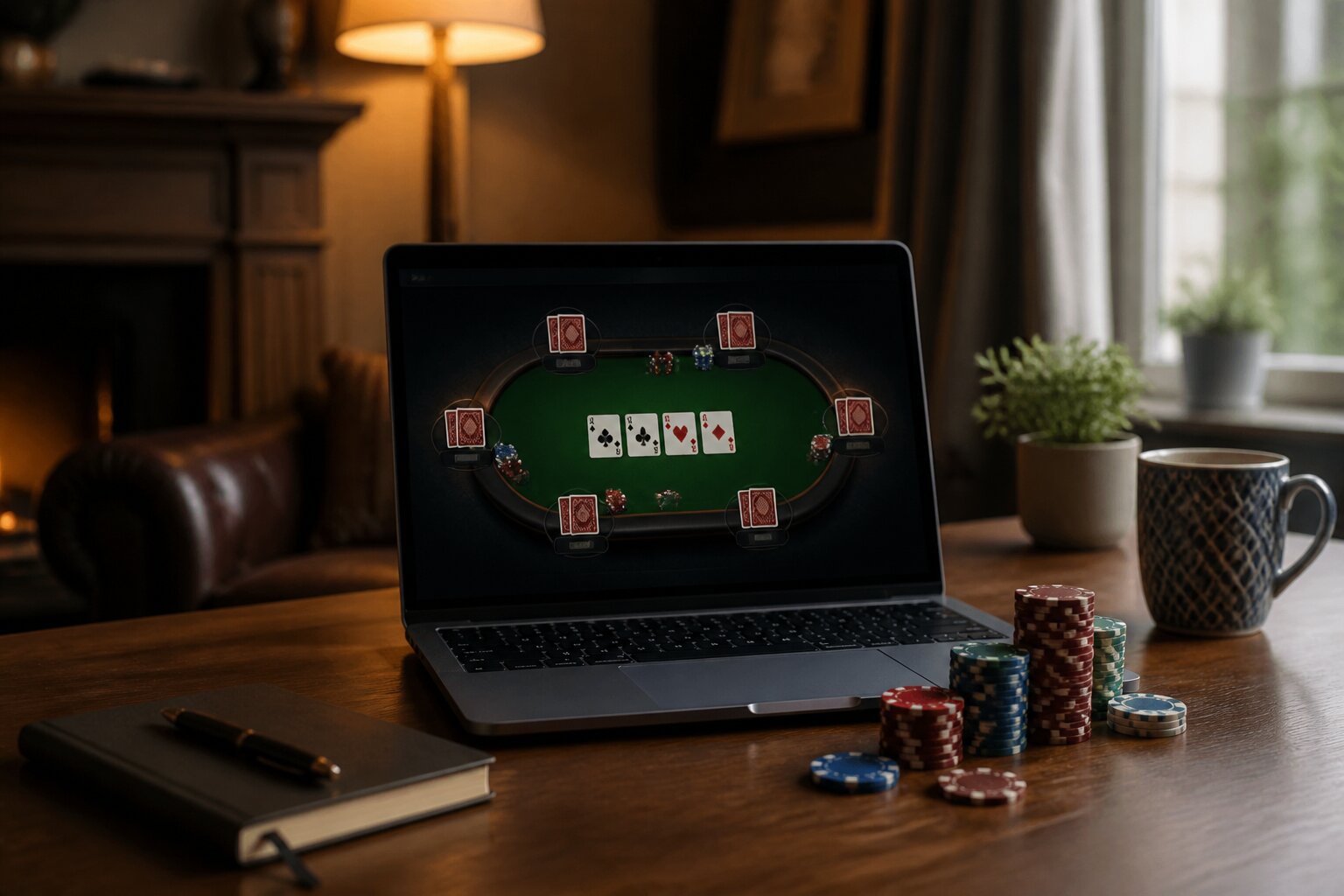
Looking for a quick and secure way to play poker online in the UK? Paypal can make moving money in and out of poker accounts simple and fast, while keeping your banking details private.
This guide explains how Paypal works with online poker, how to find sites that accept it, and what to watch for when depositing and withdrawing. Read on to learn how to use Paypal safely and efficiently at the tables.
Ready to upgrade how you handle poker payments? Let’s get started.
What Is Paypal Poker?
Paypal poker means playing on online poker sites where Paypal is accepted as a payment option. Instead of entering card numbers or bank details on the poker site, you use your Paypal account to send and receive funds. That separation reduces the number of places where your financial information is stored.
Not every poker site in the UK supports Paypal. Sites that do must meet regulatory requirements and carry the necessary licences. You must also be at least 18 to use Paypal for gambling in the UK. Knowing these basics helps you choose a site that fits your needs and keeps payments straightforward.
Why Choose Paypal to Play Poker Online?
Paypal is popular because it combines speed with familiar security measures. Deposits are typically processed quickly, so you can join a table without delay. The service also keeps banks and cards off the poker site’s records, which is reassuring if you prefer to centralise payments through a single wallet.
A further benefit is clear transaction history. Your Paypal account shows deposits and withdrawals in one place, which makes budgeting and reviewing play more convenient. Paypal’s customer support can help with payment queries, which adds another layer of support if an issue arises.
Keep in mind that practical tools on poker sites—such as deposit limits and session reminders—work well alongside Paypal’s record-keeping to help you manage play within your budget.
How Does Playing Poker with Paypal Work?
Using Paypal at an online poker site is straightforward. After you have an active Paypal account, you select Paypal at the site’s cashier and enter the amount you wish to transfer. The site will redirect you to Paypal to authorise the payment; once confirmed, funds appear in your poker account.
Withdrawals follow the same path in reverse. You request a withdrawal to Paypal and the poker site completes identity and anti-money-laundering checks before releasing funds. These checks are a standard regulatory requirement and help protect both players and operators.
Processing times differ between deposits and withdrawals. Deposits are usually near-instant, while withdrawals can take longer because they trigger verification procedures. Keep your Paypal details up to date so transfers proceed smoothly.
Top Online Poker Sites That Accept Paypal
Several established poker sites in the UK accept Paypal for deposits and withdrawals. Licensed operators offer secure payment processing and privacy safeguards, and they generally provide clear information about banking options on their cashier pages.
When comparing sites, look beyond whether they accept Paypal. Consider factors such as table variety, tournament schedules, fees, and the clarity of the site’s terms for payments and withdrawals. Also check available player protection tools and how easy it is to contact customer support if you need help.
Choosing a site that matches your preferences makes using Paypal feel seamless and keeps your player experience consistent.
How to Deposit and Withdraw using Paypal?
Depositing with Paypal involves entering the amount you want to transfer, confirming via the Paypal login page, and waiting for the sites’ confirmation. Minimum deposit amounts often start around £10, though each site sets its own thresholds.
For withdrawals, you request funds to be sent to your Paypal account. Sites commonly have minimum withdrawal amounts and may ask for documentation as part of identity checks before releasing funds. This is routine and required by regulation.
Always review the specific limits and timings on your chosen site. Knowing the expected processing times and any verification requirements helps you plan when you will have access to withdrawn funds.
Are Paypal Poker Payments Safe and Secure?
Paypal uses industry-standard encryption and offers optional two-factor authentication to protect accounts. When those protections are combined with the licensing and regulatory controls that legitimate poker sites must follow, Paypal becomes a well-established and generally secure route for deposits and withdrawals. No payment method is entirely risk free, so it is sensible to stay vigilant.
Security also depends heavily on what users do. Keep your Paypal credentials private and never share account details. Use a strong, unique password and enable two-factor authentication where available. Regularly review your transaction history and set up activity notifications if Paypal or your poker site offers them.
If you spot anything unusual, act promptly. Contact the poker site and Paypal customer support so the matter can be investigated and any necessary holds or chargebacks can be arranged. You may also want to:
- Change your account password immediately.
- Scan your device for malware and update software.
- Keep records of suspicious transactions and communications.
These routine precautions, together with site-level checks, verification processes and regulated oversight, help protect your funds and personal information. Remember that responsible account management and prompt reporting are important parts of staying secure.
Paypal Poker: Common Myths and Misconceptions
Some beliefs about Paypal and poker do not match how the service operates. For example, not every poker site offers Paypal, so checking payment options before signing up is important. Another misunderstanding is that all transactions are instant; while deposits usually are, withdrawals may be delayed by verification steps.
It is also worth noting that Paypal use for gambling requires a verified personal account and that only adults may participate. Finally, while Paypal provides protection and transparency, you should still read site terms for any fees or limits that could apply.
Clearing up these points helps you set the right expectations before you play.
Fees and Limits for Paypal Poker Transactions
Fees and limits vary between poker sites and can also depend on how you fund your Paypal account. Many UK poker operators do not charge for Paypal deposits or withdrawals, but you should check the cashier page to confirm. Paypal may apply fees for currency conversion or other special services; these are detailed in its user agreement.
Site-specific minimum and maximum amounts will affect both deposits and withdrawals. Typical minimums start near £10, and higher-tier withdrawal limits may depend on account verification or player status. Reviewing both the poker site’s payment terms and Paypal’s terms avoids surprises.
Being aware of these practical details makes it easier to manage your bankroll and choose the payment route that best suits your needs.
Conclusion: Is Paypal the Best Payment Method for Online Poker?
Paypal offers clear advantages: it keeps bank details off poker sites, provides quick deposits, and gives a single place to track transactions. These features make it a convenient option for many players.
At the same time, not every site supports Paypal and withdrawals may be subject to verification and processing times. Check fees, limits and the site’s verification processes before committing to a platform.
Ultimately, the best payment method depends on your priorities—privacy, speed, or specific withdrawal arrangements. If Paypal fits your needs, it can be a reliable part of a well-managed poker routine. We recommend choosing a licensed site, reviewing payment terms carefully, and using the available account controls to stay within your personal limits. Enjoy your time at the tables and play responsibly.
**The information provided in this blog is intended for educational purposes and should not be construed as betting advice or a guarantee of success. Always gamble responsibly.