
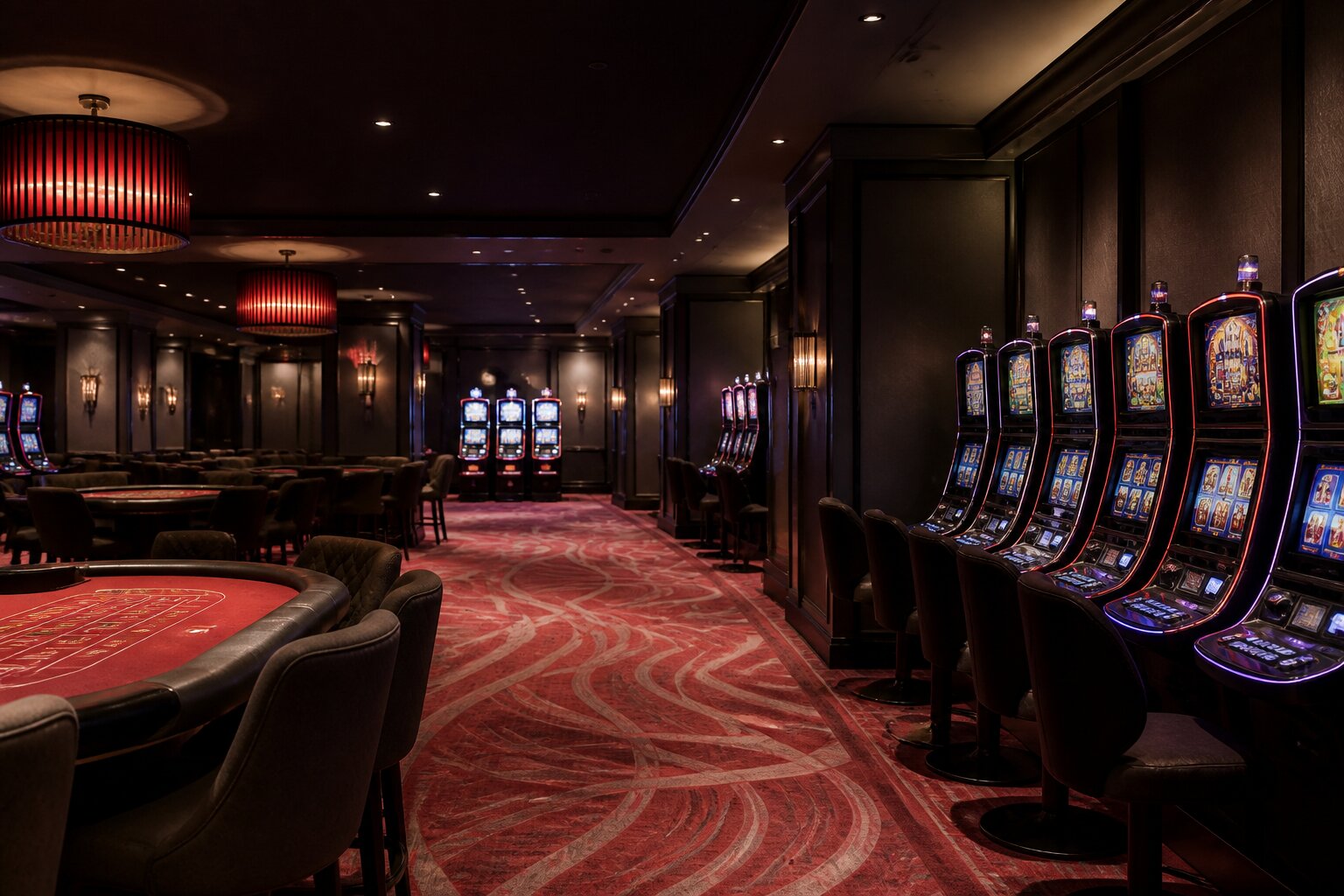
Ever wondered why stepping into a casino feels like entering another world? The buzz, the bright lights, and the sense that time slips away are carefully shaped by design.
Look around next time you visit and notice what’s missing. Where are the windows and the clocks? Those absences are deliberate choices by designers to keep attention on the gaming floor and the overall atmosphere.
Ready to find out what’s behind these decisions and how they affect your visit? Let’s take a closer look.
The Psychology Behind Windowless Casino Design
Removing windows is one of the clearest ways casinos control the environment. Without daylight cues, people have less sense of how long they have been inside, which can extend how long they stay. Environmental psychology shows that when time markers are reduced, visitors tend to linger.
Designers combine this with other sensory cues. Bright machines, vibrant floor lighting and continuous ambient sound all help sustain engagement. These elements work together to keep attention on the games and on the immediate experience rather than on the outside world.
These choices aim to create an immersive visit, not to encourage harm. Many venues provide clear information and tools to help visitors manage their time and spending while on site.
How Casino Environments Influence Player Behaviour
Windowless rooms are just one part of a broader approach to shaping mood and movement.
Lighting is used with intent. Softer general lighting creates a welcoming backdrop while brighter spots highlight tables and machines, subtly directing where people look and gather. Sound plays a similar role. Music, jingles and the small noises of gameplay keep energy levels up and provide a sense of ongoing action.
Scent and temperature are sometimes considered too. A comfortable ambient temperature and carefully chosen scents can make the space feel pleasant without standing out, helping visitors stay relaxed and engaged.
Understanding these techniques helps you make conscious choices during a visit. If you want to step away or take a break, look for seating areas, cafés or lounges where the environment is calmer.
Are There Other Design Tricks Hidden in Casinos?
Beyond light and sound, the layout and furnishing of a casino contribute to how people move and spend time.
Many floors are arranged to encourage exploration. Winding walkways, clusters of machines and varied sightlines invite you to browse rather than move directly from A to B. Seating is selected for comfort so people may stay longer at games or slots without feeling the need to leave.
Even carpet patterns and colour schemes are purposeful. Bold designs can reduce visual cues to exits, while routes between areas are planned to pass by high-interest spots.
These techniques aim to increase enjoyment and immersion. Being aware of them lets you stay in control of your visit and choices.
Do Casinos Ever Have Windows or Natural Light?
Not all casinos are sealed off from daylight. Some modern venues allow natural light in peripheral areas such as bars, restaurants or dedicated rest zones. These spaces give visitors a clearer sense of time and place without compromising the immersive atmosphere of the main gaming floors.
In regulated markets there are rules about safety, transparency and welfare. Operators must make information and support readily available to customers, and venue layouts often reflect those responsibilities. For example:
- providing clear access to information and support services;
- creating calmer areas where people can pause and gather their thoughts;
- ensuring signage and staff are visible so visitors can find help if needed.
Design trends are moving toward a balance between immersion on the gaming floor and visible, accessible places for breaks and orientation. Architects and operators aim to keep the gaming experience engaging while also offering routes to daylight and quieter zones that help people reorient themselves and take sensible breaks.
Myths About Casino Layouts and Their Purpose
Several misconceptions about casino design circulate widely. One is that layouts are meant to deliberately trap people. While floors are arranged to encourage exploration, safety requirements ensure exits and emergency routes are always available and clearly marked.
Another myth is that design elements are used to cheat players. Regulated venues must operate transparently, and independent oversight ensures that games are fair. Layouts and décor influence how long people stay and how they feel, but not the fairness of games themselves.
Knowing what design can and cannot do helps separate fact from fiction and makes it easier to evaluate your own experience.
What Does the Future Hold for Casino Design?
Design in gambling venues is evolving with an emphasis on openness, digital features and customer care.
Greater Transparency
Future venues are likely to feature clearer sightlines, improved signage and more comfortable break areas. These changes help visitors navigate spaces more easily and make informed choices about their time on site.
Digital Design and Innovation
Digital technology is appearing more in physical casinos, from interactive screens to apps that help monitor play. These tools can provide real-time information and options for people who want to set limits or take breaks.
Stronger Player Protection
Regulation increasingly drives design choices that support safer play. Venues are adapting spaces and tools to make it straightforward for visitors to access information, set limits and find support if needed.
As design continues to change, the emphasis will be on creating environments that are enjoyable while making it easier for people to manage their own experience and wellbeing.
**The information provided in this blog is intended for educational purposes and should not be construed as betting advice or a guarantee of success. Always gamble responsibly.